
Chemical Industry Digitalisation at Automa Chem 2026
Automa Chem 2026 in Berlin examined how industrial AI, digital R&D, plant automation and sustainability technologies are being applied to chemical manufacturing, amid pressure on production economics and capacity utilisation.
automachem.com
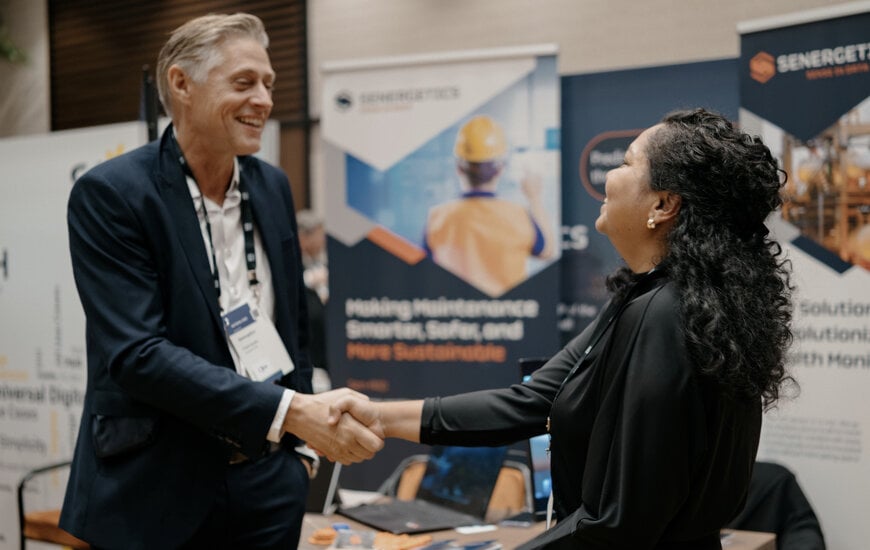
The inaugural Chemical Automation and Digitalisation Congress (Automa Chem) took place on 26–27 October 2026 at Estrel Berlin, Germany. More than 230 delegates from chemical producers, engineering, procurement and construction (EPC) companies, CDMOs, industrial gas suppliers, biotech organisations and technology providers discussed digital transformation, plant operations and sustainability. Evonik Operations hosted the congress, with WACKER Chemie, Covestro, LyondellBasell, Worley and Linde participating as regional partners.
Digitalisation and Sustainability in Chemical Production
Digitalisation and sustainability increasingly depend on shared plant data, including energy consumption, emissions, waste and production yield. Several presentations at Automa Chem addressed approaches to reducing environmental impact through process technologies, digital monitoring and operational improvements.
Markus Hartung, Vice President Region EMEA & Global Commercial Processes Catalysts at Evonik Operations, discussed innovation and partnerships in decarbonising the chemical value chain. Séval Schichtel, Global Business Development & Sales Manager at Clariant, addressed chemical recycling and purification technologies designed to support plastic waste processing.
Presentations from companies including Linde, BASF and Technip Energies also covered approaches to emissions reduction, reflecting the role of process optimisation and technology development in sustainability initiatives across the chemical sector.
AI and Digital Tools for Chemical Operations
Chemical Plant 4.0 featured discussions on connected equipment, digital twins, real-time operational data and the integration of digital technologies across research, operations and asset management.
Dr. Ewa Gajewska, Head of Product Management for SYNTHIA at Merck, presented the use of artificial intelligence in chemical research. The platform incorporates more than 120,000 expert-coded reaction rules and a database containing over 8.3 million commercially available compounds from more than 90 suppliers, supporting chemical synthesis planning and research workflows.
Dr. Susanna Voges and Jaime Aguilera of Voovio discussed Enhanced Reality for operator training and procedural execution. They referenced a controlled experiment at a Texas petrochemical facility in which operators reached procedure competency 65% faster, reducing the training time from 9.75 to 3.3 hours. The experiment also reported a reduction of more than 73% in subject matter expert time, highlighting the potential of digital training tools to improve procedural learning and reduce training resource requirements.
From Digital Projects to Industrial Deployment
The presentations highlighted how chemical industry digitalisation increasingly involves the integration of process data, research tools, automation systems and operator workflows. Moving these technologies from individual applications towards broader deployment requires attention to infrastructure, integration and workforce capabilities.
The next Automa Chem congress is scheduled for 22–23 November 2027 in Brussels, Belgium. The programme is expected to continue addressing industrial AI, automation and digital transformation in chemical production.
Early access to the 2027 business programme and registration information are available at Automa chem
Edited by Sucithra Mani, Induportals editor – adapted by AI.
www.automa.chem.com
